Chemical science pack

Overview
The Chemical science pack is a research consumable used to unlock technologies. It is manufactured from multiple intermediate products and raw resources and is typically produced in bulk as part of a science production line.
Production commonly uses high-tier assemblers and chemical processing. The production chain shown in assembly-ratio references assumes Assembling machine 3 as the crafting machine for the pack itself and that some intermediate items are produced in separate assemblers. Sulfur, an intermediate used in the chain, is produced in a Chemical plant. Core intermediate items feeding the Chemical science pack include advanced circuits, engine units, pipes, iron gear wheels and steel plate, each of which may themselves require multiple assemblers to supply a sustained output.
When planning a factory for Chemical science packs, the raw resource footprint for a single pack (excluding productivity effects) comprises five base resources when advanced oil processing is in use and all oil products are cracked down into petroleum gas:
Practical production notes:
- Use Assembling Machine 3 for the final assembly to achieve higher crafting speed and to simplify ratio calculations when scaling production.
- Sulfur must be produced in a Chemical plant; ensure a dedicated chemical production area with adequate petroleum gas and water inputs if you run advanced oil processing.
- Advanced circuits and engine units are significant intermediate consumers; plan upstream production (electronic circuits, steel, gears, and engine modules) to avoid bottlenecks.
- Calculate assembler counts using the Assembling Machine 3 crafting speeds to match throughput requirements; the commonly used ratio tables assume whole-machine counts and show how many assemblers of each intermediate are needed per minute to sustain target science pack per-minute rates.
- When using oil, employing advanced oil processing and cracking to petroleum gas reduces the net raw oil consumption per pack and consolidates fluid handling around petroleum gas and light/heavy oil products.
Scaling tips:
- Collocate related production (electronics, engines, chemical plants) to reduce long-distance logistics for fluids and circuit components.
- Buffer intermediate outputs (small buffers or warehouses) between stages to smooth transient imbalances during expansions or when modules/beacons are changed.
- Monitor steel and iron gear wheel supply closely; they are common pinch points when increasing Chemical pack throughput.
The Chemical science pack’s multi-stage recipe makes it well suited to modular production blocks where each intermediate product has its dedicated assembler array and clear input/output piping for fluids. Adjust assembler counts and oil processing configuration according to your available modules, beacons, and desired science-per-minute target.
Raw materials
| Reference | Count |
|---|---|
| Copper cable | 15 |
| Yumako | 3.87 |
| Iron plate | 3 |
| Pipe | 2 |
| Steel plate | 1 |
| Iron gear wheel | 1 |
| Jellynut | 0.75 |
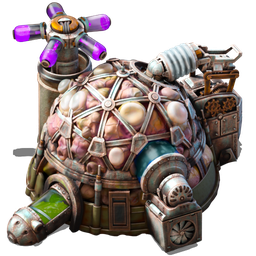
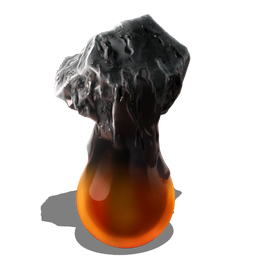
| Carbonic asteroid chunk | 0.25 |
Produced by

Required for techs










Made by (1)


References to this (30)
- recipeChemical science pack
- technologyAdvanced asteroid processing
- technologyAdvanced combinators
- technologyAdvanced oil processing
- technologyArtillery
- technologyAsteroid productivity
- technologyAsteroid reprocessing
- technologyAtomic bomb
- technologyPersonal battery MK2
- technologyPersonal battery MK3
- technologyBiolab
- technologyCaptive biter spawner
- technologyCaptivity
- technologyCarbon fiber
- technologyCoal liquefaction
- technologyConstruction robotics
- technologyDestroyer
- technologyDischarge defense
- technologyDistractor
- technologyEffect transmission
- technologyElectric engine
- technologyElevated rail
- technologyEnergy shield MK2 equipment
- technologyEpic quality
- technologyExoskeleton equipment
- technologyExplosive rocketry
- technologyPortable fission reactor
- technologyFoundation
- technologyFusion reactor
- technologyPortable fusion reactor