Metallurgic science pack

Overview
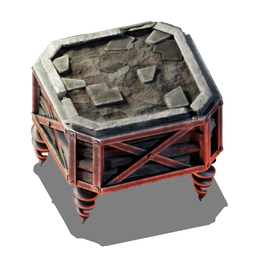
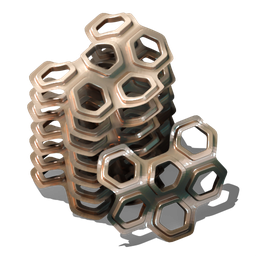
The Metallurgic science pack is a late-game laboratory research item used to unlock advanced technology. It is produced from refined metal and chemical intermediates and is typically manufactured using a mix of Foundries, Assembling Machine 3s, and Chemical Plants arranged to meet a fixed items-per-minute throughput.
Production planning for the Metallurgic science pack requires calculating a minimum ratio of machines and input items so every assembly building count stays a whole number. Items-per-minute rates are calculated assuming buildings have no modules or beacons and run at full base speed; machine-internal productivity bonuses are applied where relevant. Some intermediate production steps are commonly omitted from compact ratio diagrams because those items are assumed to be available in large quantities elsewhere in the factory.
The pack’s commonly referenced intermediate products and the typical machine types used for them are:
- Tungsten carbide, produced in Assembling machine 3.
- Carbon, produced in a Chemical plant.
- Tungsten plate and tungsten ore processing, produced or refined in Foundries.
- Molten iron and molten copper streams used as inputs into Foundries.
The schematic breakdown used in ratio tables links the above intermediates with base resources such as coal, sulfuric acid, and tungsten ore. Sulfuric acid is consumed by some tungsten processing recipes; coal is consumed in carbon production and certain smelting or chemical processes. Foundries are used both to produce tungsten plate directly from ore and to supply molten metal for other foundry recipes when a foundry chain is modeled.
Practical notes for building a Metallurgic science pack production line:
- Design the production chain around the bottleneck intermediate (often tungsten-based processes) and scale Foundries and Assembling Machine 3s so all machine counts are whole numbers.
- Calculate items-per-minute using machines at base speed with no modules or beacons to produce the minimum whole-number counts; add modules or beacons later and rebalance ratios if you change speeds or productivity.
- Group Chemical Plants for carbon and sulfuric acid usage near the metal processing area to minimize piping complexity and throughput losses.
- Treat some ubiquitous intermediates (common plates, molten metal bus, sulfuric acid) as shared factory utilities rather than duplicating them per science line to reduce layout complexity.
- When using molten metal workflows, ensure adequate heat/foundry throughput and plan inserter/pipe logistics for continuous flow into downstream Foundries.
The ratio diagrams used by builders summarize the whole-machine counts and input rates required to sustain a continuous assembly of Metallurgic science packs under the stated assumptions. Adjust those ratios when adding modules, beacons, or changing machine tiers.
Raw materials
| Reference | Count |
|---|---|
| Tungsten ore | 14 |
| Carbonic asteroid chunk | 0.6 |
Produced by












Made by (1)


References to this (14)
- recipeMetallurgic science pack
- technologyAsteroid reprocessing
- technologyCaptive biter spawner
- technologyFoundation
- technologyFusion reactor
- technologyPortable fusion reactor
- technologyLow density structure productivity
- technologyPlanet discovery Aquilo
- technologyPromethium science pack
- technologyQuantum processor
- technologyRail support foundations
- technologyRailgun
- technologyResearch productivity
- technologyTurbo transport belt