Cassava (Crop)
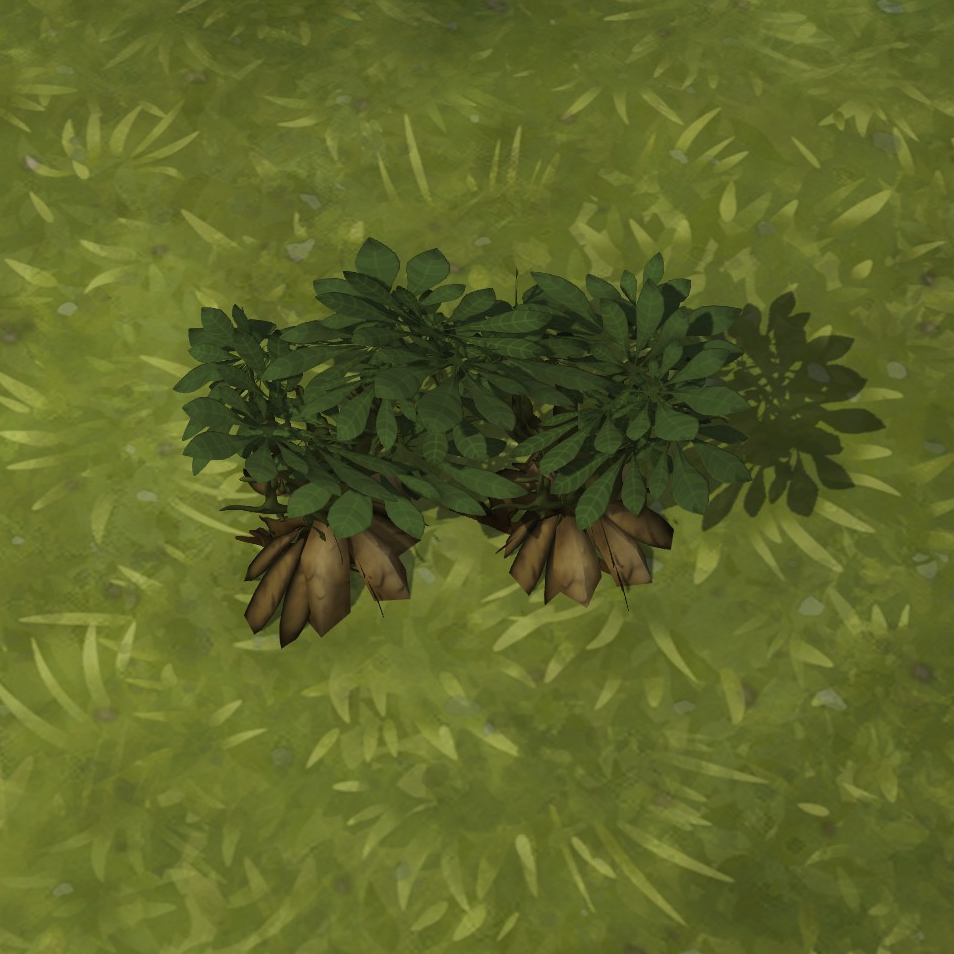
Overview
Cassava is a tropical root vegetable cultivated for its starchy, tuberous roots. It is widely consumed around the world and valued for its ability to grow in poor, nutrient-poor soils where many other staple crops struggle. The edible portion of the plant is the large underground root, which stores high levels of carbohydrate in the form of starch and can be processed into several food products.
Cassava is commonly processed into tapioca and cassava flour. Tapioca is derived from the extracted starch and is used in a range of culinary applications, from thickening agents to pearl forms used in desserts and beverages. Cassava flour is produced from dried, ground cassava root and serves as a gluten-free alternative to wheat flour in baking and cooking. Both products make use of the root’s high starch content and relatively neutral flavor.
Cassava’s adaptability to poor soils and drought-prone environments makes it an important food security crop in many tropical regions. Its roots can be stored in the ground for extended periods, allowing for flexible harvest times where climate or labor availability is variable. Because processing is required to make certain varieties safe and palatable, cassava is frequently transformed into flour, starch, or other derivatives before consumption.
- Thrives in poor soils and tolerant of challenging growing conditions.
- Primary edible part is the starchy tuberous root.
- Commonly processed into tapioca (starch) and cassava flour.
- Widely consumed globally and used as a staple food in many tropical regions.
- Requires processing for some applications; processing yields versatile ingredients for cooking and baking.
This entry focuses on cassava’s botanical and culinary roles: a starchy tropical root crop valued for resilience and for the range of processed foods derived from its roots.