Food Factory

Overview
The Food Factory is a production building that converts raw agricultural inputs into ready-to-eat rations for your colony. It occupies a building footprint and must be supplied with the appropriate crops or processed ingredients to produce food goods that satisfy beaver consumption and feed storage chains. The Food Factory integrates into Timberborn’s production and logistics systems: workers must be assigned, inputs must be delivered by beavers or conveyors, and outputs must be collected and stored in nearby warehouses or directly consumed by assigned housing.
Place Food Factories near crop fields, granaries, or processing chains to minimize haul distance and ensure steady input flow. Positioning the factory close to water access is beneficial when its operation depends on irrigated farmland or when crops require frequent harvesting during growth cycles. Power requirements vary by faction and building tier; ensure sufficient power or worker availability before scaling production.
- Ensure a continuous supply of inputs by building routing paths or using storage buildings (Small Food Tank / granary equivalents) adjacent to the Food Factory. Interruptions in input delivery immediately stall production.
- Prioritize locating Food Factories in irrigated terrain so that crop supply is reliable during temperate seasons; irrigation recedes during droughts, which reduces crop yields and thus factory throughput.
- During drought planning, treat processed food like any other vital good: calculate consumption rates and store surplus. Use the same water-infrastructure planning principles that apply to reservoirs and tanks—deep, low-evaporation storage and distributed reserves—to protect food production from climate stress.
- Combine Food Factories with efficient logistics: short haul distances, clear pathing, and staging storage reduce idle time for assigned workers and keep production steady through seasonal changes.
- If the Food Factory consumes water indirectly (through irrigation-dependent crops), coordinate reservoir and pump placement so fields remain irrigated. Use Floodgate and cascade reservoirs to regulate water release and prioritize irrigation for crop plots that feed Food Factories.
- When expanding a colony, build multiple Food Factories or scale up storage capacity rather than relying on a single large facility. Distributed production reduces risk from localized failures and keeps food flowing if one factory is blocked by pathing or resource shortage.
Design Food Factory placement and supply around the same engineering trade-offs used for water infrastructure: minimize exposure to seasonal shortages by leveraging deep storage (tanks) and redundancy, and optimize layout using natural terrain to shorten haul paths and reduce material costs.
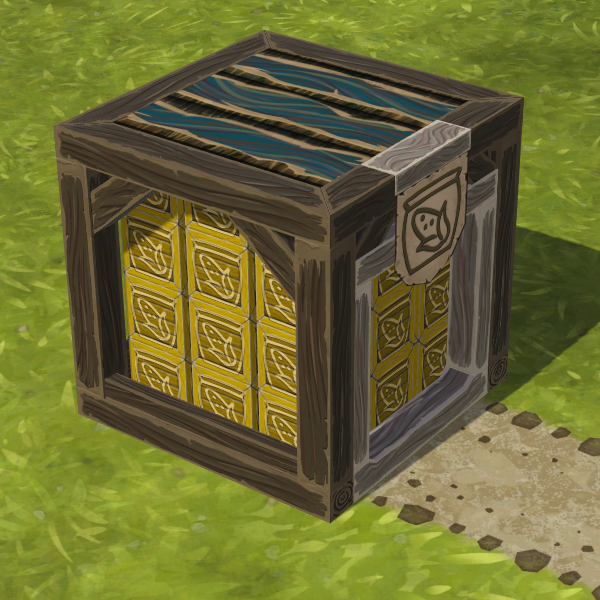
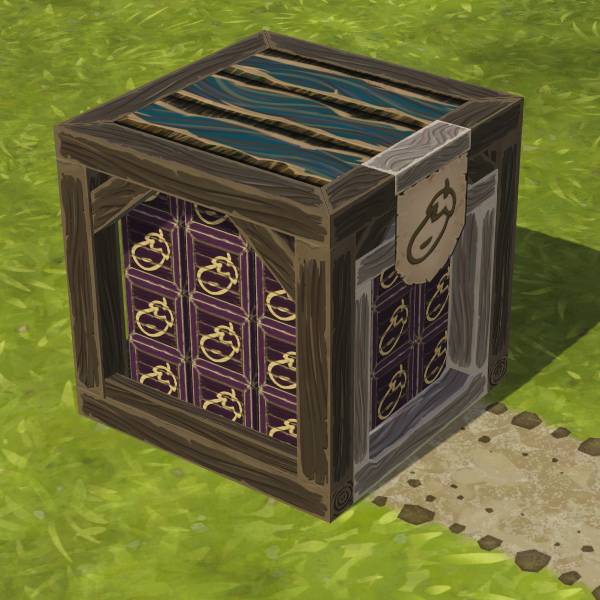
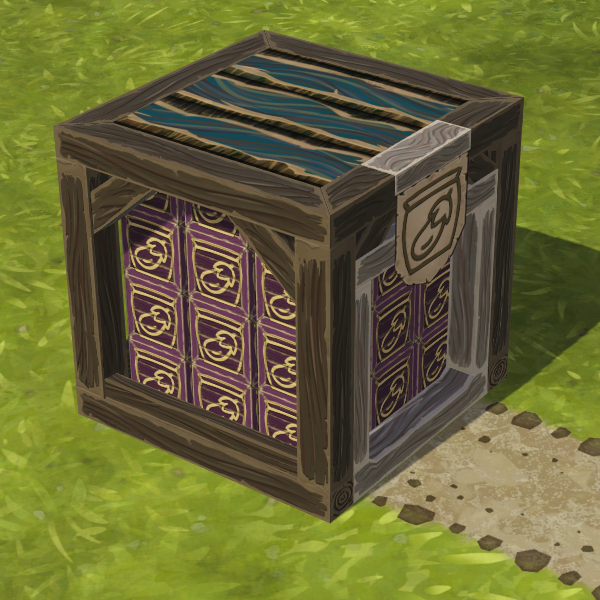
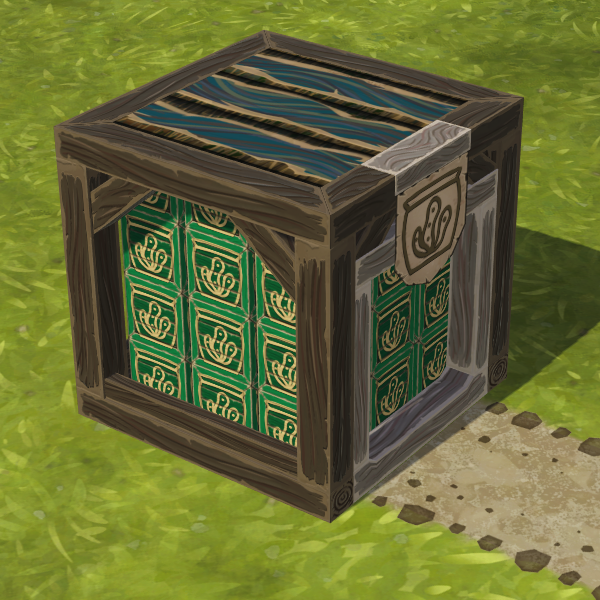
Produces (3)




References to this (14)
Other entities of this type
- Advanced Breeding Pod
- Agora
- Aquatic Farmhouse
- Aquifer Drill
- Aquifer Drill
- Badwater Discharge
- Badwater Dome
- Badwater Pump
- Badwater Rig
- Bakery
- Banners
- Banners/Custom Banner Images
- Barrack
- Barriers
- Beaver Bust
- Beaver Statue
- Beehive
- Bell
- Bench
- Bot Assembler
- Bot Part Factory
- Brazier
- Breeding Pod
- Builder Flag (Obsolete)
... +162 (see sidebar for full list)